

Is My Nose a Hooked Nose? What Your Side Profile Is Really Telling You
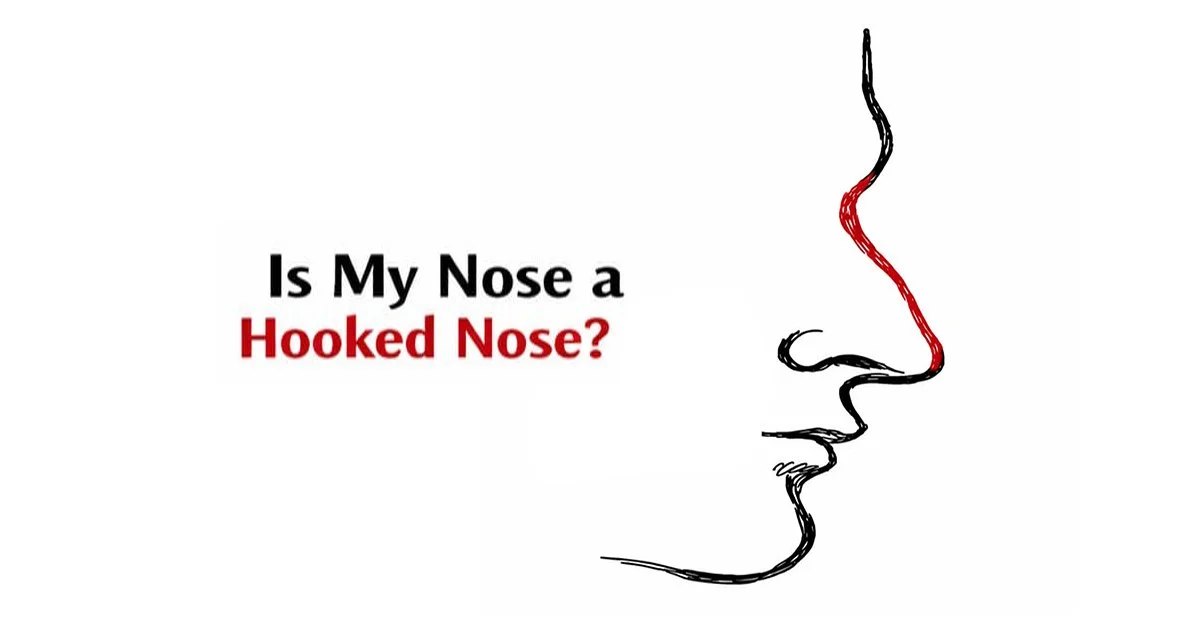
Have you ever noticed that your nose stands out first when you look in the mirror, or that your face appears stronger in photos than you expect? If your profile looks more prominent than your front view, the shape of your nose may be playing a role. In particular, a visible curve along the bridge when viewed from the side can indicate what is commonly known as a hooked nose.
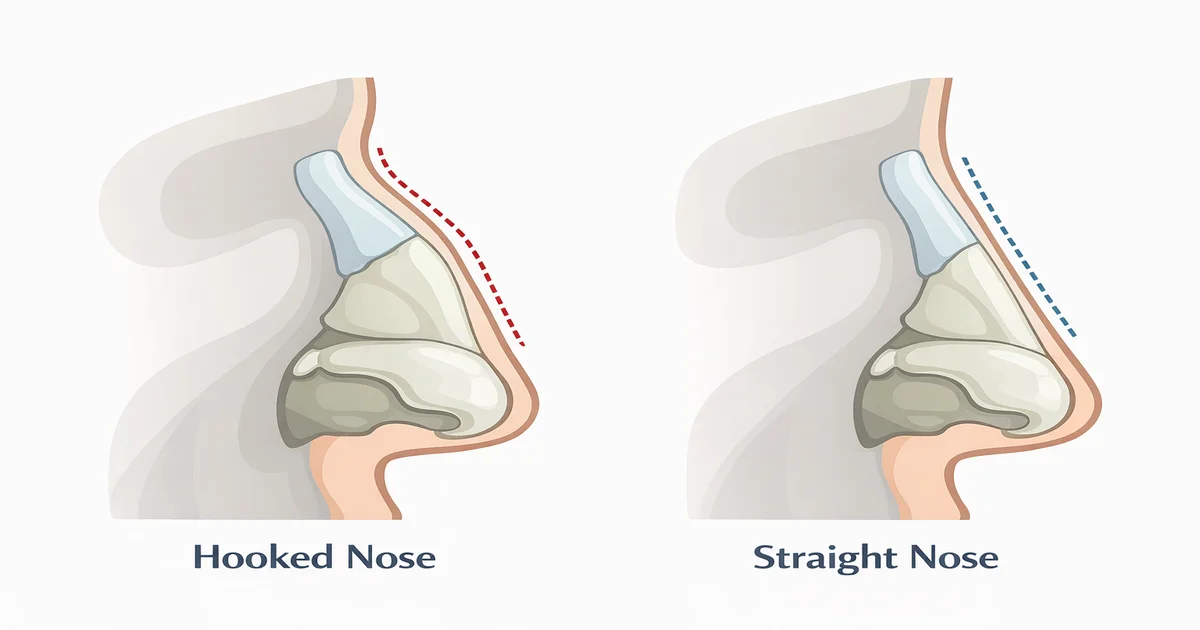
A hooked nose is not simply a high nose. It is a structural feature influenced by the contour of the nasal bridge, the angle of the nasal tip, and the overall balance of the face. Because multiple factors work together, it is often difficult to determine on your own whether your nose falls into this category.
Signs That May Indicate a Hooked Nose
A hooked nose is usually identified by a combination of characteristics rather than a single feature. One of the most common signs is a nasal bridge that appears curved rather than straight in profile. In many cases, the nasal tip may also point slightly downward, giving the face a sharper or more mature appearance.
While the nose may look relatively subtle from the front, it often becomes more noticeable in side profile photos. Some people feel that their face looks firm or serious, even when that does not reflect their personality. When several of these features are present together, the possibility of a structural hooked nose can be considered rather than a simple contour issue.
What Causes a Hooked Nose
Genetic factors are the most common cause of a hooked nose. The growth pattern of the nasal bones and cartilage is often inherited, and the nasal bridge may become more pronounced as facial bones fully develop after adolescence. This is why some individuals notice changes in their nose shape as they reach adulthood.
Another important cause is trauma. Previous nasal fractures or repeated impacts can lead to uneven healing of the nasal bones, resulting in a hooked contour or emphasizing an existing curve. In clinical practice, it is not uncommon to see cases where genetic predisposition and past injury contribute together to the final nasal shape.
How Can a Hooked Nose Be Corrected
 Correction of a hooked nose is not simply about reducing the height of the nasal bridge. The approach depends on the individual nasal structure and the degree of change desired, with careful attention to overall facial harmony.
Surgical nose correction focuses on reshaping the protruding nasal bridge while adjusting the angle and length of the nasal tip to create a balanced profile. In some cases, internal structures such as the nasal septum and breathing function are also considered during treatment planning.
For individuals with a mild hooked contour, nonsurgical options may be used to visually soften the curve of the nasal bridge. However, these methods do not change the underlying structure, so it is important to understand their limitations and maintenance requirements before making a decision.
Why Professional Consultation Is Essential
 Correcting a hooked nose involves more than altering the bridge alone. Changes to the nasal tip angle, facial proportions, and even how the nose moves during facial expressions all affect the final outcome.
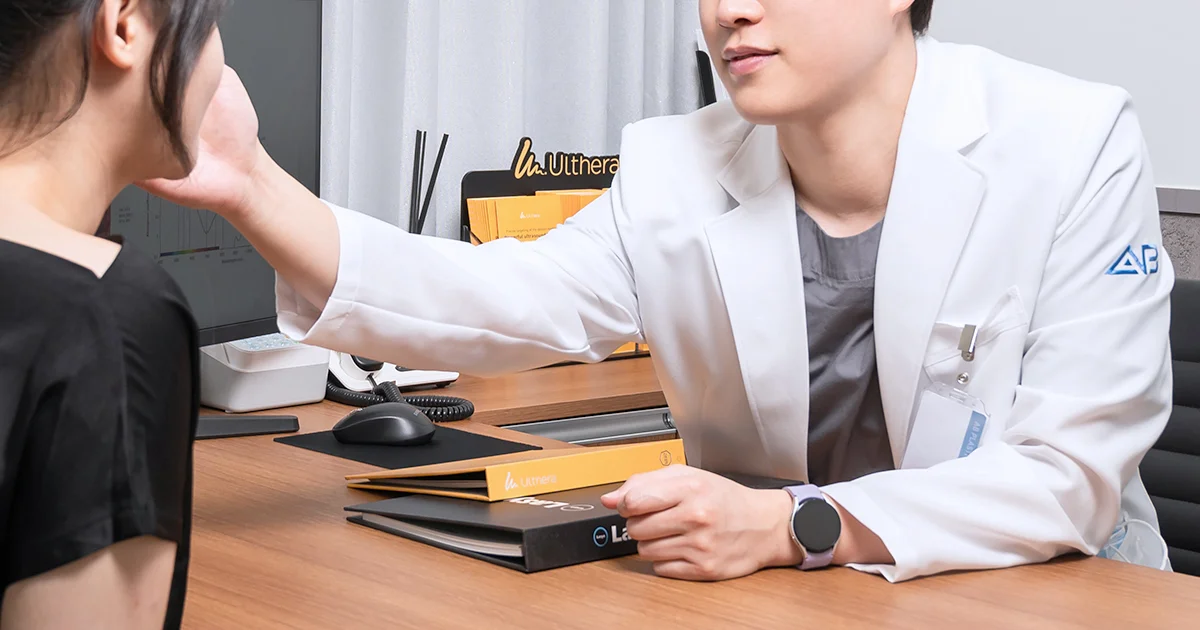
Determining whether the nose truly has a hooked structure, whether structural correction is necessary, or whether subtle contour adjustment is sufficient requires accurate evaluation. A detailed consultation allows for a personalized plan based on individual anatomy, ensuring both natural appearance and long term satisfaction.
Key Takeaways
A hooked nose is a structural feature influenced by the curvature of the nasal bridge and the angle of the nasal tip.
Genetics and past trauma are common contributing factors.
Treatment options vary from surgical to nonsurgical approaches depending on individual anatomy and goals.
A customized plan based on facial balance plays a critical role in achieving satisfying results.
For personalized treatment planning and detailed cost information,
please contact AB Plastic Surgery Korea via WhatsApp below.
- Written by
- AB Medical Editorial Team
- Medically reviewed by
- Seung-Hyun Kim (DERMATOLOGIST)
- Updated on
- 2026.11.13

This article is for informational purposes only and does not replace a personal medical consultation.
For more details, we recommend visiting AB Clinic and consulting with our dedicated dermatology specialists. For inquiries about treatment costs and other procedures, please check the link below and leave a consultation request. We'll get back to you as soon as possible.